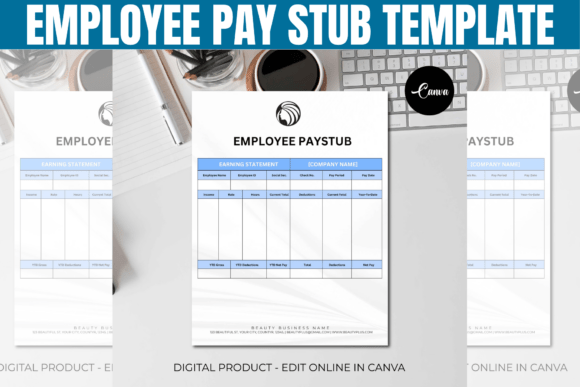
Employee Pay Stub and Payroll: Simplify Your Process
Managing finances for a small business or as a freelancer often feels like a juggling act. Between tracking hours, calculating deductions, and ensuring everyone gets paid accurately and on time, the administrative load is real. A disorganized payroll process doesn't just waste time; it can lead to errors that damage trust with your team and create headaches during tax season. This is where a professional, structured approach becomes invaluable.
Think of a well-designed Employee Pay Stub not just as a receipt, but as a critical piece of your business communication. It’s a document that conveys professionalism, clarity, and respect for your employees or contractors. A clear Earnings Statement helps everyone understand their compensation, from gross pay to the specifics of each deduction. This transparency builds confidence and reduces the number of payroll-related questions you have to field.
The Anatomy of an Effective Pay Stub
A truly functional Paystub is more than just a list of numbers. Its visual structure is key to its usability. A professional layout guides the eye naturally, separating information into logical sections. You’ll typically see distinct areas for employee and employer details, the pay period dates, and a clear breakdown of earnings. This includes regular hours, overtime, bonuses, and any other compensation. The deductions section is equally important, itemizing taxes, insurance contributions, retirement plans, and any other withholdings.
The final section, showing net pay, is what the employee takes home. Including Year-to-Date (YTD) totals is a best practice that provides a quick reference for ongoing financial tracking. This organized structure isn't just about aesthetics; it's about creating a document that serves as a reliable financial record for both parties. For the business owner, it streamlines your own bookkeeping. For the employee, it’s a straightforward document they can use for personal budgeting, loan applications, or tax filing.
Streamlining Operations with Editable Templates
Designing a payroll document from scratch is an inefficient use of a business owner's or HR manager's time. This is where a pre-built, yet fully editable pay stub template shifts the dynamic. Instead of wrestling with spreadsheet formulas or design software, you start with a proven framework. The value lies in the flexibility to customize it to your specific needs while relying on a solid, professional foundation.
Consider a scenario where you pay your team bi-weekly. A good template will be set up for this cycle, but also easily adjustable for weekly or monthly periods. The real power is in the customization. You can add your company logo, use your brand colors, and input your specific business details. This transforms a generic financial document into a consistent part of your brand identity. It’s a small touch that reinforces your company's professionalism with every pay period.
Practical Applications Across Business Models
The utility of a standardized paycheck stub extends across various work arrangements. For a small business with a handful of employees, it ensures everyone is treated with the same level of professionalism. For a growing startup, it establishes scalable processes early. Freelancers and independent contractors also benefit immensely. Providing a detailed Check Stub Template with each payment, even if not legally required in all jurisdictions, is a mark of a serious professional. It clarifies the terms of payment and provides a clean record for both parties' taxes.
This approach is about more than just compliance; it's about clear communication. When a contractor receives a document that clearly outlines the project fee, any applicable taxes, and the final amount, there’s no ambiguity. It sets a professional tone for the working relationship. For internal teams, it demystifies payroll, helping employees understand the components of their compensation and the value of their benefits.
Choosing Your Payroll Solution
When evaluating how to create your payroll documents, focus on solutions that offer both structure and flexibility. A template that works seamlessly in a common design platform like Canva is often ideal for those without advanced technical skills. It allows for easy drag-and-drop customization of logos and text. The key is to find a system that feels intuitive to you, so maintaining it doesn't become a chore.
Look for a package that gives you more than just a single Employee Pay Stub. A comprehensive solution might include matching professional invoice and receipt templates. This creates a cohesive set of financial documents for your business, all sharing a consistent visual style. Consistency across these touchpoints—your invoices, receipts, and pay stubs—strengthens your overall brand identity and presents a unified, trustworthy image to clients, contractors, and employees alike.
Ultimately, the goal is to implement a system that saves you time, reduces errors, and enhances your professional reputation. A thoughtfully designed, editable payroll template is a practical tool that achieves exactly that. It turns a routine administrative task into an opportunity to reinforce your business's organization and commitment to clear, professional communication. By investing a small amount of time in setting up this system, you free up mental space to focus on what you do best: growing your business and serving your customers.